
Venous Leg Ulcers
christiana
Tue, 04/16/2024 – 16:53
Venous Leg Ulcer (VLU) Management: Understanding the Basics
Venous leg ulcer (VLU) incidence is increasing, and often these wounds require a multifaceted approach. This e-book presents foundational principles related to the management of VLUs, including compression, dressings, advanced therapies, and other interventions.
Venous Leg Ulcer Interventions
Reviews methods of managing venous leg ulcers, from best practices to advanced therapies.
Karen L. Bauer, DNP, APRN-FNP, CWS, FAAWC

Compression and Wound Patient Adherence
April 18, 2024
My name is Naz Wahab. I’m a wound care physician in Las Vegas, Nevada.
Patients have difficulty adhering to compression many times because of pain, ill-fitting compression garments, sometimes heat, and itching or pruritus. There’s a variety of reasons why patients complain, why they don’t want to have compression garments on.
Strategies to help promote adherence to compression garments or compression materials would be to address their diet. Many times they are having too high of a salt diet, it causes swelling and it definitely causes difficulty tolerating due to increased swelling. Also another aspect is to have them elevate, despite the fact that they are wearing a compression device or garment. Many times if their legs are dependent, it causes a lot more pain and difficulty for tolerance. So having a patient elevate their legs is definitely an important aspect. Another is heat or moisture. We live in a very hot environment here in Las Vegas. In the summertime, I’m sure many people have the same problem regardless of where you live. But if there is a time that the patient is constantly being compressed, it’s difficult for them to tolerate the heat.
And so, perhaps taking the garment off, having them come into your office, taking the garment off, washing their legs, letting them sit with their legs not in a dependent position for a period of time before you actually reapply the garment or your device might be helpful as well. I think education is important for the patient on what to expect. Being able to also time the ability to have showers. Patients definitely want and we want them to have showers and to be able to clean themselves. And I think that will help with adherence.
Also ensuring that that the physician and /or provider is also checking for any arterial disease. So screening with arterial ultrasounds or ABIs or TBIs are important to avoid their pain related to arterial compression. And also making sure that your staff is is either certified or has competencies in applying these devices and garments on the legs is important so that there’s a standard of care in the application and there’s not undue pain or distress to the patient with different people applying the device.
The views and opinions expressed in this blog are solely those of the author, and do not represent the views of WoundSource, HMP Global, its affiliates, or subsidiary companies.

Venous Leg Ulcer Recurrence: How to Prevent
April 18, 2024
Hello, I’m Dr. Windy Cole. I am the Director of Wound Care Research at Kent State University College of Podiatric Medicine.
Venous leg ulcers have a really high recidivism rate, unfortunately, of all the wounds that we treat in the lower extremity, those are the type that tend to recur the most often. I’ve seen figures upwards of 70 -80% of all venous leg ulcers will recur.
I think there’s a variety of factors that contribute to the high recurrence rate of venous leg ulcers and it’s multifactorial, just like everything in wound care really. I think that clinicians need to have a high index of suspicion and monitor patients that have had previous venous leg ulcers. We need to more effectively manage the underlying etiology, the venous hypertension, the chronic chronic venous insufficiency, and then we have to really get our patients on board for a long-term therapy for prevention, which includes some sort of compression garment, and we really have to educate them on how important it is to be adherent with wearing their compression garments.
I’ve heard it from so many patients, you know, “Oh, well, my edema. The wound healed so I didn’t think I needed to wear those compression garments any longer,” and lo and behold shortly after they discontinue use they see a recurrence of the wound. When you’re treating venous leg ulcers I always want you to have in the back of your mind a core algorithm and I really mean “CORE” in a literal sense.
So C, compression therapy, is really the hallmark of treating a venous leg ulcer. Optimizing the wound environment, right? Controlling all the factors in the wound environment so that you make certain that the body has what it needs to heal. So controlling bioburden, bacteria, exudate management, periwound, tissue health, and that’s very important.
So that’s our O in our CORE, optimizing the local wound environment. The R in CORE is to review all contributing factors, right? So those underlying etiologies, that chronic venous insufficiency, that venous hypertension, the valvular issues, if the patient doesn’t have a functioning calf muscle pump or their non -ambulance ambulatory or not very active, we have to control those things that are occurring internally in our patients. And then the E, I think is the most important for this topic, is to establish a maintenance plan.
And we need to establish a maintenance plan that the patients are comfortable with and can adhere to. If they won’t adhere it to it, they aren’t comfortable with it. Obviously they won’t have success.
So there’s many different compression garments. There are the pull-on compression garments that sometimes difficult for our patients with mobility issues or maybe dexterity issues. There are the zipper type of garments, the Velcro garments, which I’m a big fan of.
But then there’s all sorts of other wearables that are coming into the market. There’s all sorts of other wearables that are coming into the market. There is a wearable sleeve garment that has a hand pump.
So there are varying levels of adjustable compression, which patients like as well. There are dynamic compression garments that are non-pneumatic. They’re wearable.
They work off of a battery and they kind of pump that blood and pump the fluid and lose it. fluid. We didn’t even get into that but maybe that’s another another topic for another day.
And then of course the traditional pneumatic pumps that the patient can wear in the evening and plug into the wall. So you want to talk to your patients, you want to see what their goals of therapy, what their lifestyle is, what they’re able to adhere with, and then you have to kind of meet in the middle and I think that shared. care approach is really important when you’re looking for that maintenance plan.
The views and opinions expressed in this blog are solely those of the author, and do not represent the views of WoundSource, HMP Global, its affiliates, or subsidiary companies.
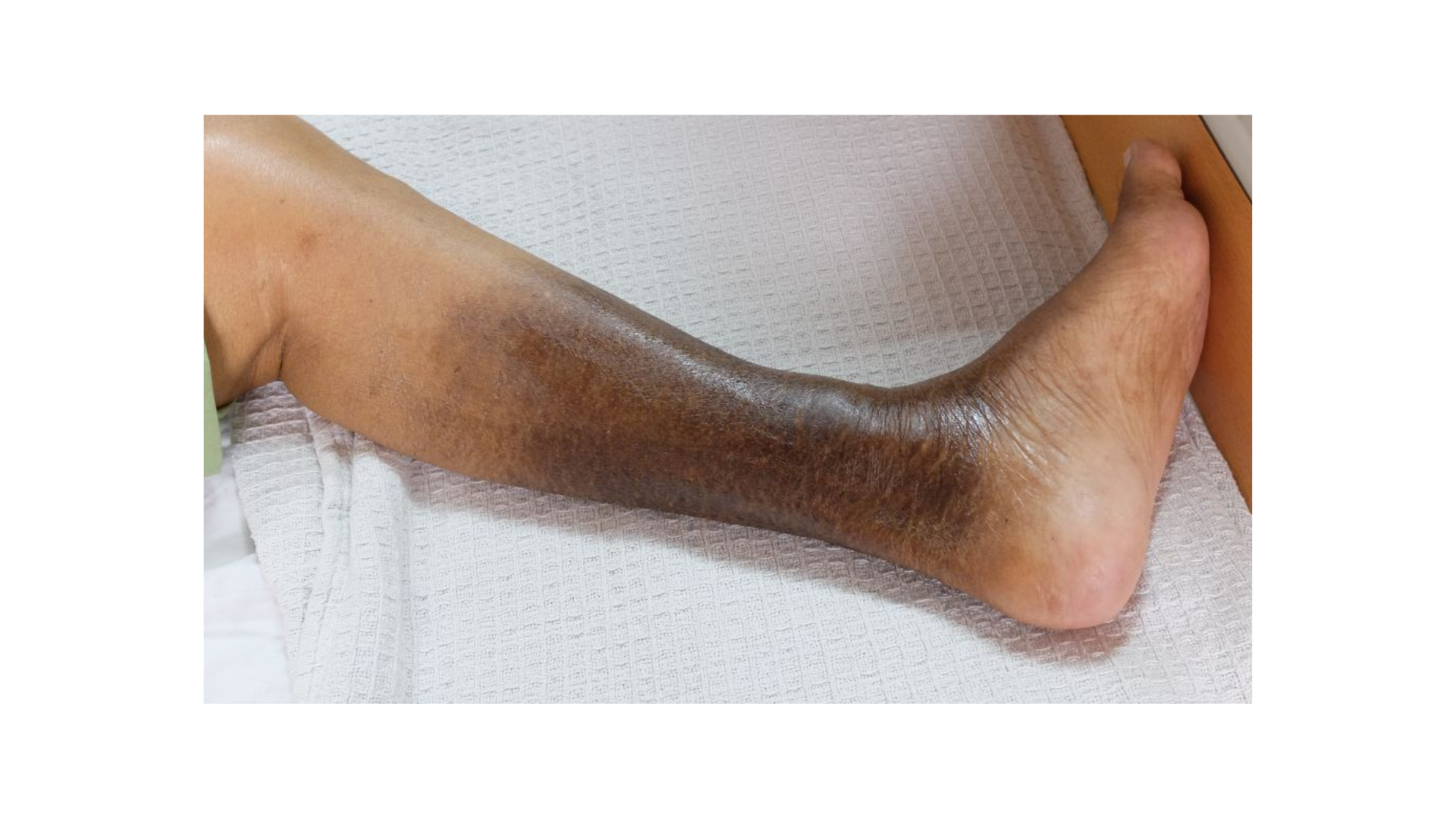
Venous Leg Ulcers and Comorbidities
April 22, 2024
Categories
Venous leg ulcers (VLUs) are often the result of chronic venous insufficiency and venous hypertension, which cause retrograde venous flow or venous obstruction and require long-term monitoring and management.1,2 Patients with chronic venous disease often have comorbid conditions that may also contribute to VLU formation and delayed healing.2 It is essential to manage comorbidities appropriately,3 because uncontrolled comorbid conditions can increase the risk of VLU development.4
Common VLU Comorbidities and Risk Factors
Some comorbid conditions that predispose patients to VLUs are nonmodifiable risk factors, such as a family history of chronic venous insufficiency, older age, female sex, a history of thrombosis or pulmonary embolism, multiparity, and previous hip or knee replacement.1,4 Risk factors that may be modifiable include obesity and a sedentary lifestyle.1 Below is a brief discussion of select key comorbidities and their potential impact on VLUs.
Diabetes and Its Comorbidities
Nerve damage related to diabetes may cause a loss of foot sensation, which can lead to unrecognized injury or infection. Wounds in patients with diabetes can heal slowly and often become chronic. Peripheral arterial disease is also common in diabetes. In cases of poorly controlled diabetes, white blood cell function impairment may increase the likelihood of infection. All these complications can potentially raise the risk of VLU formation and its possible sequelae.2
Peripheral Arterial Disease and Other Vascular Conditions
When oxygen transport to tissues is inadequate, hypoxia leads to skin breakdown and wound formation. Thus, other concomitant vascular dysfunction in the setting of venous insufficiency and/or VLU poses an even more complex clinical picture. Similarly, cardiopulmonary disease, chronic obstructive pulmonary disease, and even sleep disorders all affect blood oxygenation and, consequently, tissue integrity.2
Aging
Aging skin can become fragile, and the risk of infection can therefore increase. Older persons often have chronic diseases that have negative impacts on circulation and tissue perfusion.2 Partly as a result of our growing aging population, VLUs are increasing in prevalence.4
Immunodeficiency
Immunodeficiencies predispose patients to infection, and they also impair wound healing.2
Dementia, Depression, and Cognitive and Behavioral Issues
These comorbidities can diminish a patient’s ability to function and/or adhere to a care plan. Patients with depression and anxiety may neglect hygiene and other self-care practices, including health care.2 This can also include effective home management of edema, dressings, or other vital treatment components.
Poor Nutrition
Inadequate nutrition can contribute to delayed wound healing should a VLU occur. Wound healing requires more than the normal requirements of essential nutrients.2
VLU Prevention Strategies in Patients With Comorbidities
Clinicians may choose to utilize the following measures in the prevention (and treatment) of VLUs. However, these strategies become even more important in the context of medical comorbidities.
Compression Therapy
Selection of the best level of compression for each patient is key, as is correct application of the compression garment. Patients may resist compression therapy because it can be uncomfortable, expensive, and difficult to use (especially in patients who are frail, have obesity, or are immobile). Clinicians should work with their patients to find acceptable solutions tailored to each situation. Compression therapy should be continued even after edema has improved.5 Thus, it is important to arrive upon a workable approach that the patient can maintain long-term.
Diabetes Management
Patients with diabetes should receive education on the importance of tight blood glucose control to reduce the risk of infection and complications.2 They should also inspect their feet every day and alert their health care provider if they see any changes.5
Lifestyle Modifications
A VLU prevention plan should include the following recommendations to patients5:
Elevate your legs above your heart every day.
Keep active by walking or doing calf pumps or toe-up exercises.
Inspect your feet and legs daily and report any changes.
Avoid sitting or standing for extended periods of time.
If you smoke, please try to quit.
Maintain a healthy weight and drink plenty of water.
Patient Engagement in VLU Prevention
Patient education is a necessary component of care, because venous insufficiency is a chronic condition that requires long-term monitoring and management.1 Accordingly, having meaningful conversations with patients about the impact of their concomitant condition(s) can help paint a clearer picture of some of the challenges they may face. Evaluating and identifying a patient’s learning style could help ensure a more successful outcome.4 Engaging the patient (and in some cases the patient’s family or caregiver) through education can enhance adherence to the VLU prevention plan.4 One review found that education produced a change in patients’ beliefs about treatment, encouraged patients to develop better habits, and helped patients reach their health goals.6
Developing specific patient-driven goals for managing leg edema and preventing VLUs is an effective strategy.7 The following are sample goals that clinicians may consider7:
Edema reduction through continuous compression therapy within 2 weeks of treatment initiation
Edema prevention through long-term use of garments once achieving reduced edema
Edema reduction by elevating affected limb above the heart at an appropriate prescribed rate
Calf muscle and calf-muscle pump activation using elastic bands at an appropriate prescribed rate
Walking using heel-toe gait at an appropriate prescribed rate
Injury risk reduction by decreasing environmental hazards within 2 days
Skin care regimen in place within 1 day
Activities of daily living resumed within 1 month
Conclusion
Comorbidities are common in patients with or at risk for VLUs. Although appropriate management of these comorbidities can reduce the risk of VLU formation, patient engagement is a prerequisite for the success of any VLU prevention plan.
References
1. Robles-Tenorio A, Lev-Tov H, Ocampo-Candiani J. Venous leg ulcer. [Updated 2022]. In: StatPearls. StatPearls Publishing; 2024 Accessed April 2, 2024. https://www.ncbi.nlm.nih.gov/books/NBK567802/
2. Understanding comorbidities affecting venous leg ulcers. Practice Accelerator. WoundSource.com. 2020. Accessed April 2, 2024. https://www.woundsource.com/blog/understanding-comorbidities-affecting-…
3. Garavello A, Fransvea P, Gilardi S, Fiamma P. Venous ulcers: look at the patient, not at the ulcer! Risk factors and comorbid conditions in venous ulcers of lower limbs. Minerva Cardiol Angiol. 2023;71(5):575-581.
4. Factors that delay wound healing in venous leg ulcers. Practice Accelerator. WoundSource.com. 2021. Accessed April 2, 2024. https://www.woundsource.com/blog/factors-delay-wound-healing-in-venous-…
5. Venous leg ulcers: 4 ways to help improve patient compliance and quality of life. Medline.com. 2021. Accessed April 2, 2024. https://www.medline.com/strategies/skin-health/venous-leg-ulcers-4-ways…
6. He B, Shi J, Li L, et al. Prevention strategies for the recurrence of venous leg ulcers: a scoping review. Int Wound J. 2024;21(3):e14759.
7. Evans R, Kuhnke JL, Burrows C, et al. Best practice recommendations for the prevention and management of venous leg ulcers. In: Foundations of Best Practice for Skin and Wound Management. A supplement of Wound Care Canada. Canadian Association of Wound Care; 2019. Accessed April 2, 2024. www.woundscanada.ca/docman/public/health-care-professional/bpr-workshop…
The views and opinions expressed in this blog are solely those of the author, and do not represent the views of WoundSource, HMP Global, its affiliates, or subsidiary companies.

A Closer Look at Venous Leg Ulcers and Chronic Venous Insufficiency in Over One Million Medicare Enrollees
April 23, 2024
Categories
Edited by WoundSource Editorial Team
Introduction
Approximately 70% of chronic lower extremity wounds diagnosed every year in the United States are identified as venous leg ulcers (VLUs).1 In 2019, VLUs cost nearly 1.1 billion USD for Medicare beneficiaries with VLU as the principle diagnosis.2 In addition, pain, malodorous exudate, and reoccurrence greatly impact patients’ quality of life. Research reports varying rates of VLU healing and recurrence among patients, emphasizing the need for effective interventions.2
VLUs and, by extension, chronic venous insufficiency are growing concerns for wound care professionals. As such, it is vital to stay up to date on recent literature published on this condition’s impact and management, with an eye towards improving practices and outcomes to break the cycle of ulceration, infection, and remission.2 First, it is important to have an understanding of chronic venous insufficiency, comorbidities, and VLUs.
Chronic Venous Insufficiency and Venous Leg Ulcers: Risks and Treatments
Chronic venous insufficiency (CVI) can be a precursor to VLUs, with untreated comorbidities potentially exacerbating disease progression. Risk factors Tettelbach et al highlighted for VLUs include2:
Multiple pregnancies
History of deep vein thrombosis
Advanced age
Genetic factors
The above, along with chronic venous hypertension and other comorbidities, are also linked to VLU development. Treatment options for VLUs include compression therapy, wound hygiene, debridement, venous intervention, arterial intervention if indicated, advanced therapies, and infection intervention, with studies demonstrating the efficacy of early interventions such as venous ablation.2
Recent Literature: A Retrospective Evaluation of Medicare Enrollees
A 2023 paper published in the Journal of Wound Care performed a retrospective evaluation of Medicare enrollees with chronic venous insufficiency (CVI) who developed venous leg ulcers (VLUs), focusing on comorbidities, treatment patterns, and resultant outcomes.2 The authors analyzed data taken from the Medicare Limited Data Standard Analytic Hospital Inpatient and Outpatient Department Files from October 2015 to October 2019. Patients with CVI and VLUs were matched into 4 groups based on their treatment regimen. Then, authors documented and compared demographic, comorbidity, treatment, and outcomes data across these groups.2
The evaluation revealed over 1.2 million individuals had CVI. The authors found that 42% of Medicare enrollees with CVI developed at least one VLU during the study period, with a high recurrence rate of 59%.2
They also noted that only 38.4% of VLU instances received documented VLU conservative care treatment. Typically, it appeared therapies such as compression and debridement were implemented after the wound became chronic. This finding was attributed to a “wait and see” approach to wound care.2
The authors also looked at patients who received advanced treatment or high-cost skin substitutes for wounds that did not progress after 30 days. They noted improved outcomes, including reduced rates of infection and emergency department visits, for patients who had weekly or biweekly cellular, acellular, matrix-like product (CAMP) application, according to parameters for use.2
What Do These Findings Mean for Wound Care Professionals?
When standard of care and advanced treatment are implemented early, these authors found that outcomes are better. In chronic VLUs that received advanced treatment, the researchers found an approximate 14 day reduction in VLU length of treatment. In order for practices to be cost effective, the authors recommend that clinicians identify patients at the highest risk. Factors the authors noticed as correlated with VLU chronicity risk included2:
Wound size
Infections prevalence
Medicare dual enrollment
Number of hospital admissions
Comorbidities
Geographical location
It is important for clinicians to look beyond just this one study, as well. For instance, a 2022 review in Wounds agreed regarding the complexity of VLU, and a multimodal, multidisciplinary approach to diagnosis and care. However, unlike the above study, these authors advocated for CTP implementation when VLUs were present for longer than one year.3 Thus, more research is likely necessary to identify the ideal timeline for CTP application in VLU. Accordingly, astute clinical decision-making on a case-by-case basis, using risk stratification as suggested in the Journal of Wound Care study, and consultation of coverage guidelines from local fiscal intermediaries are likely wise.
The piece in Wounds also made an important distinction: venous leg ulcers occur in the leg of a patient with underlying venous disease, but they may not in fact be the direct result of that venous insufficiency.3 This supports the Journal of Wound Care‘s study authors’ advocacy for evaluation of the risk level for the VLU and assessment of any underlying venous disease. By undertaking a comprehensive history, physical exam, testing, and careful consideration of etiologic and risk factors, clinicians can make better treatment decisions to improve outcomes.
Conclusion
The significant burden of VLUs on Medicare patients is clear. Diverse comorbidities and inadequate management contribute to high occurrence rates and subsequent complications. Early identification and advanced treatment may improve outcomes and reduce healthcare resource utilization.2 However, taking other studies into account, more research is potentially needed to determine the ideal CTP application timeframe in VLUs.3 By analyzing real-world data, the authors provide insights into the management of VLUs in a diverse patient population, offering valuable information for health care decision-makers.
References
1. Tan M, Lurie F, Bauza Moreno H, et al. Management of venous leg ulcers. Phlebology. 2024;0(0). doi:10.1177/02683555241243167
2. Tettlebach WH, Driver V, Oropallo A, et al. Treatment patterns and outcomes of Medicare enrollees who developed venous leg ulcers. J Wound Care. 2023;32(11). https://doi.org/10.12968/jowc.2023.32.11.704
3. James CV, Murray Q, Park SY, Khajoueinejad N, Lee J, Ray K, Lantis II JC. Venous leg ulcers: potential algorithms of care. Wounds. 2022;34(12):288-296. doi: 10.25270/wnds/21160. PMID: 36622379.
The views and opinions expressed in this blog are solely those of the author, and do not represent the views of WoundSource, HMP Global, its affiliates, or subsidiary companies.
Sponsored by
OVIK Health, LLC