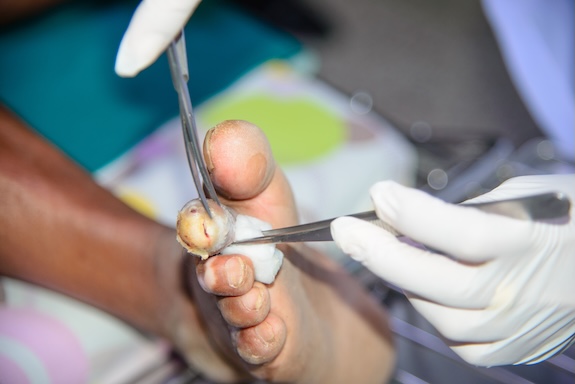
Improving Patient Outcomes With Integral Debridement
kfedyszyn@hmpg…
Tue, 04/22/2025 – 15:03
Practical Understanding of Integral Debridement: An Evidence-Based Approach

Wound debridement remains a foundational component of wound bed preparation, defined as the process of removing nonviable, infected, necrotic, or devitalized tissue that impedes the natural progression of healing. This vital step not only eliminates physical obstructions but also mitigates microbial burden, promotes the reduction of chronic inflammation, and fosters the reestablishment of healthy granulation tissue.
Select CountryAfghanistanAlbaniaAlgeriaAmerican SamoaAndorraAngolaAnguillaAntarcticaAntigua & BarbudaArgentinaArmeniaArubaAscension IslandAustraliaAustriaAzerbaijanBahamasBahrainBangladeshBarbadosBelarusBelgiumBelizeBeninBermudaBhutanBoliviaBosnia & HerzegovinaBotswanaBouvet IslandBrazilBritish Indian Ocean TerritoryBritish Virgin IslandsBruneiBulgariaBurkina FasoBurundiCambodiaCameroonCanadaCanary IslandsCape VerdeCaribbean NetherlandsCayman IslandsCentral African RepublicCeuta & MelillaChadChileChinaChristmas IslandClipperton IslandCocos (Keeling) IslandsColombiaComorosCongo – BrazzavilleCongo – KinshasaCook IslandsCosta RicaCroatiaCubaCuraçaoCyprusCzechiaCôte d’IvoireDenmarkDiego GarciaDjiboutiDominicaDominican RepublicEcuadorEgyptEl SalvadorEquatorial GuineaEritreaEstoniaEswatiniEthiopiaFalkland IslandsFaroe IslandsFijiFinlandFranceFrench GuianaFrench PolynesiaFrench Southern TerritoriesGabonGambiaGeorgiaGermanyGhanaGibraltarGreeceGreenlandGrenadaGuadeloupeGuamGuatemalaGuernseyGuineaGuinea-BissauGuyanaHaitiHeard & McDonald IslandsHondurasHong Kong SAR ChinaHungaryIcelandIndiaIndonesiaIranIraqIrelandIsle of ManIsraelItalyJamaicaJapanJerseyJordanKazakhstanKenyaKiribatiKosovoKuwaitKyrgyzstanLaosLatviaLebanonLesothoLiberiaLibyaLiechtensteinLithuaniaLuxembourgMacao SAR ChinaMadagascarMalawiMalaysiaMaldivesMaliMaltaMarshall IslandsMartiniqueMauritaniaMauritiusMayotteMexicoMicronesiaMoldovaMonacoMongoliaMontenegroMontserratMoroccoMozambiqueMyanmar (Burma)NamibiaNauruNepalNetherlandsNetherlands AntillesNew CaledoniaNew ZealandNicaraguaNigerNigeriaNiueNorfolk IslandNorthern Mariana IslandsNorth KoreaNorth MacedoniaNorwayOmanOutlying OceaniaPakistanPalauPalestinian TerritoriesPanamaPapua New GuineaParaguayPeruPhilippinesPitcairn IslandsPolandPortugalPuerto RicoQatarRomaniaRussiaRwandaRéunionSamoaSan MarinoSaudi ArabiaSenegalSerbiaSeychellesSierra LeoneSingaporeSint MaartenSlovakiaSloveniaSolomon IslandsSomaliaSouth AfricaSouth Georgia & South Sandwich IslandsSouth KoreaSouth SudanSpainSri LankaSt. BarthélemySt. HelenaSt. Kitts & NevisSt. LuciaSt. MartinSt. Pierre & MiquelonSt. Vincent & GrenadinesSudanSurinameSvalbard & Jan MayenSwedenSwitzerlandSyriaSão Tomé & PríncipeTaiwanTajikistanTanzaniaThailandTimor-LesteTogoTokelauTongaTrinidad & TobagoTristan da CunhaTunisiaTurkeyTurkmenistanTurks & Caicos IslandsTuvaluU.S. Outlying IslandsU.S. Virgin IslandsUgandaUkraineUnited Arab EmiratesUnited KingdomUnited StatesUruguayUzbekistanVanuatuVatican CityVenezuelaVietnamWallis & FutunaWestern SaharaYemenZambiaZimbabweÅland Islands
Select ProfessionAdministratorBilling/Coding SpecialistCase ManagerCEO/CFO/CIO/CNO/COOClinical CoordinatorCompliance CoordinatorConsultantDermatologistDietitianDirector of NursingDirector of Risk ManagementGeriatricianGPO Contract ManagerHospice DirectorMaterials ManagementMedical DirectorNurse – LPNNurse – RNNurse – Wound CareNurse PractitionerNurse SpecialistNurse SupervisorOccupational TherapistOtherPharmacistPhysical TherapistPhysicianPhysician AssistantPodiatristPresident/VPProfessorProgram DirectorPurchasing DirectorQuality AssuranceRisk ManagementSurgeon – BurnSurgeon – GeneralSurgeon – Plastic & ReconstructiveSurgeon – VascularWound Care Coordinator
Select Work SettingAcute CareAssisted LivingBurn CenterGeneral PracticeGovernment AgencyHome HealthHospiceHospital – Independent/Community Hospital SystemHospital – VAHyperbaric CenterIndustryInfection Control/PreventionInternal Medicine PracticeLong-Term CareLong-Term/Acute Care (LTAC)MilitaryOtherOutpatient ClinicPharmacyPhysical TherapyPrivate Practice/Office-basedResearchSpecialized/Rehab CenterUniversity/SchoolWound Care Center/Clinic
By submitting your information through this form, you confirm that you agree to WoundSource’s Privacy Policy, as well as sharing your information with any partners for marketing purposes. You can opt out at any time.

Urgo Medical provides medical devices and products to hospitals, nursing homes and home health agencies—and the patients they treat—with a focus on acute, chronic and surgical wounds, and additionally skin moisturization. Their extensive portfolio of products establishes proven protocols for the care and management of wounds, skin and skin breakdown.
100 Lexington St., Suite 400
Fort Worth, TX 76102
United States
Products
Integral Debridement for Improved Patient Outcomes
Learning Objectives:
- Introduce standalone debridement methods per previous guidelines
- Explore barriers and limitations to standalone methods
- Present integral debridement as a way to overcome existing gaps
- Discuss best practices for implementing integral debridement, including amplifiers
Dot Weir, RN, CWON, CWS, and Michael N. Desvigne, MD, FACS, CWS, FACCWS, MAPWCA


Integral Debridement for Complex Wounds: An Expert’s Insights
May 6, 2025
Categories
Introduction
Wound bed preparation is a critical component of wound healing. It includes removing necrotic tissue, controlling infection, and promoting an environment conducive to tissue regeneration. Various debridement and germ removal techniques—such as conservative sharp debridement, use of pure hypochlorous acid, synergistic action of negatively charged fibers, and lipidocolloid TLC-Ag matrix dressings—effectively reduce the concentration of sessile bacteria, and the now recognized concept of integral debridement contributes significantly to this goal. These strategies are particularly vital for managing complex wounds, where careful patient-centered approaches are necessary to improve healing outcomes.
The Role of Integral Debridement
Integral debridement is the process of removing nonviable tissue, foreign material, and/or bacteria from a wound bed using a combination of physical and chemical methods aimed at optimizing the wound environment.1 It involves both sharp and enzymatic debridement techniques, along with advanced slough attracting dressings and antimicrobial barrier and/or specialized cleansing agents. This multifaceted approach promotes ideal healing conditions by controlling infection, reducing inflammation, and encouraging tissue regeneration.
In my clinical practice, integral debridement is critical for preparing complex wound beds. By removing necrotic tissue and microbial colonies, integral debridement creates an environment where healing can progress effectively. Without proper debridement of necrotic debris/tissue/slough, wound healing may stagnate or even worsen, particularly in chronic wounds where bacteria and dead tissue impede the body’s natural repair mechanisms.1 In my experience, incorporating integral debridement techniques has made a substantial difference in the healing trajectory of patients, as it not only addresses the immediate barriers to healing but also optimizes the use of adjunctive treatments.
Conservative Sharp Debridement: The First Step in Wound Bed Preparation
Conservative sharp debridement is a primary tool for preparing a wound bed, particularly for Ion removing necrotic tissue. This process, typically performed using sterile surgical scissors, scalpels, or other specialized tools, allows for the precise removal of nonviable tissue while minimizing damage to healthy tissue. Studies show that conservative sharp debridement reduces infection risk and accelerates healing.2,3 Furthermore, creating a clean wound bed enables other interventions, such as antimicrobial treatments and advanced dressings, to be more effective.
In my experience of caring for patients with complex wounds, particularly those with significant tissue damage or chronicity, sharp debridement is crucial in establishing the foundation for further care. Nonadvanced practice providers can employ this technique with proper training, offering a straightforward yet effective solution for wound bed preparation.
Use of Pure Hypochlorous Wound Solution to Clean Wounds
Infection is a constant concern in the care of complex wounds. Pure hypochlorous acid (pHA), an antimicrobial preserved solution based on hypochlorous acid, is used to cleanse wounds and reduce bacterial and debris load. Clinical evidence demonstrates that pHA provides effective management of germ levels while maintaining an optimal pH for wound healing.4 After conservative sharp debridement, pHA can be applied to the wound bed to reduce germ levels, cleanse remaining debris, and support tissue regeneration.
In my clinical experience, pHA is especially valuable in complex wounds, where removal of germs is paramount to avoid complications like delayed healing or systemic infections. Its broad-spectrum germ removal activity, coupled with its gentle formulation, makes it an ideal mechanical debridement adjunct to sharp debridement, ensuring that the wound remains free from harmful pathogens throughout the healing process.
Negatively charged Fibers and TLC-Ag (lipidocolloid) Matrix Dressings for Continuous Debridement
Dressings with (highly) negatively charged fibers and TLC-Ag combine the benefits of silver barrier and a material capable of supporting debridement of slough to offer continuous debridement (slough does not appear easily post sharp debridement when used after sharp debridement). These dressings not only provide antimicrobial barrier protection but also help remove necrotic matter and microbial aggregates/colonies, which is conducive to healing. The presence of silver ions in the dressing inhibits bacterial growth in the dressing (close to the wound), while the dressing’s debridement properties support slough (and associated germs) removal via physical (non chemical) action.5,6 It is particularly useful in chronic wounds, where germ presence and subsequent risks to infection often prevent healing. From my perspective, the ability to use these dressings alongside conservative sharp debridement and pHA offers a comprehensive strategy for complex wound management.
Unique Considerations for Complex Wounds
Complex wounds, such as necrotizing soft tissue injuries, traumatic wounds, and orthopedic wounds, present unique challenges. In my experience, these wounds often involve significant tissue loss, prolonged healing times, and persistent infection, requiring a more sophisticated approach to wound care. For these types of wounds, integral debridement techniques are especially important, as they address the multiple factors that hinder healing, including necrotic tissue, significant microbe presence, and infection.7
A patient-centric approach is key to managing complex wounds. Each patient’s wound characteristics, overall health, and response to previous treatments must be considered when developing a care plan. These modalities work synergistically, allowing for tailored treatment plans that meet the individual needs of each patient.
Impact on Wound Healing Trajectory
Proper nutrition and wellness are crucial for promoting optimal healing in patients with wounds, as they support the body’s immune function and tissue regeneration. Nutrient-rich diets, especially those high in protein, vitamins, and minerals, aid in collagen formation and the repair of damaged tissues, which are essential for effective wound healing.8 Additionally, maintaining overall health through hydration, proper rest, and managing chronic conditions further accelerates the healing process and improves the effectiveness of wound care treatments.
Next Steps: Ongoing Research on Integral Debridement
Research into integral debridement continues to evolve, with ongoing studies focusing on optimizing/combining debridement methods and exploring new technologies. One area of active investigation is the use of germ colony-targeting therapies in conjunction with other debridement techniques, as presence of extentive colonies of germs is a major obstacle in chronic wound healing.9 Additionally, the role of advanced dressings, such as those that contain effective antimicrobial barrier agents or stimulate tissue regeneration, remains a focus of research.10 As these technologies advance, they will provide even more effective tools for wound care, further enhancing the outcomes for patients with complex wounds.
Conclusion
Incorporating integral debridement techniques into wound care practices, alongside conservative sharp debridement, provides a comprehensive approach to wound bed preparation. As previously mentioned, these modalities work synergistically to improve germ levels, facilitate tissue regeneration, and promote an environment conducive to healing. For nonadvanced practice providers, these tools offer effective synergistic solutions for managing complex wounds, ensuring better patient outcomes. Ongoing research will continue to refine these strategies, leading to further improvements in wound care and patient healing trajectories.
References
- Mayer DO, Tettelbach WH, Ciprandi G, et al. Best practice for wound debridement. J Wound Care. 2024;33(6 Suppl C):S1-S32.
- Nube VL, Alison JA, Twigg SM. Frequency of sharp wound debridement in the management of diabetes-related foot ulcers: exploring current practice. J Foot Ankle Res. 2021;14(52): doi:10.1186/s13047-021-00489-1
- Schultz G, Bjarnsholt T, James GA, et al. Consensus guidelines for the identification and treatment of biofilms in chronic nonhealing wounds. Wound Repair Regen. 2017;25(5):744–757. doi:10.1111/wrr.12590
- Niezgoda JA, Sordi PJ, Hermans ME. Evaluation of Vashe wound therapy in the cinical management of patients with chronic wounds. Adv Skin Wound Care. 2010;23(8):352-357. doi:10.1097/01.ASW.0000383198.35815.a2
- Tiwari A, Menon RR, Pillai AV, Dung NV, Thi Cam Van D. Clinical evaluation of UrgoClean Ag in patients with pressure injuries. Wounds International. 2024;15(2):1-11.
- Al Humaidi N, Badahdah H, Sarmiento KC, et al. UrgoClean Ag and UrgoStart Plus in real life. Wounds Middle East. 2024;Supplement:1-23.
- Nair HKR, Balasubramaniam S, Frescos N, et al. Autolytic continuous debridement with a focus on biofilm management: consensus document for the APAC region. Wounds International. 2024;1-25.
- Ghaly P, Iliopoulos J, Ahmad M. The role of nutrition in wound healing: an overview. Br J Nurs. 2021;30(5):S38-S42. doi:10.12968/bjon.2021.30.5.S38
- Percival SL, Mayer D, Malone M, Swanson T, Gibson D, Schultz G. Surfactants and their role in wound cleansing and biofilm management. J Wound Care. 2017;26(11):680-690. doi:10.12968/jowc.2017.26.11.680
- Dissemond J, Dietlein M, Neßeler I, et al. Use of a TLC-Ag dressing on 2270 patients with wounds at risk or with signs of local infection: an observational study. J Wound Care. 2020;29(3):162-173. doi:10.12968/jowc.2020.29.3.162
The views and opinions expressed in this content are solely those of the contributor, and do not represent the views of WoundSource, HMP Global, its affiliates, or subsidiary companies.

Integral Debridement Throughout the Continuum of Care
May 6, 2025
Categories
Transcript
Karen Bauer, DNP:
Good afternoon everyone, and welcome. We’re really excited to be with you all today. Thank you for being here. Today we’re going to have some really good conversation around integral debridement and exploring what that looks like, what that looks like across settings, and what that might look like in the future. So, we’re excited to share our expertise and input on this. My name is Karen Bauer. I’m a DNP currently out of Toledo, Ohio. I’m the director of Wound and Vascular Services at UT here in Toledo. I’m the current president of the Society for Vascular Nursing, as well as a board member for the Association for the Advancement of Wound Care. I have 2 highly experienced professionals with me today to talk about this topic. Amanda and Dr. Siegel, if you all would like to introduce yourselves.
Amanda Murray, NP:
Sure. Thanks for having me, Karen. I am so excited to talk to you guys about this topic today on integral debridement. For those of you who don’t know me, I am Amanda Murray. I’m a nurse practitioner. I’ve been taking care of wound care patients going on 17 years, and opened a hospital outpatient department in 2020, going strong, and also see patients inpatient and in the OR. So thanks for having me.
Micah Siegel, MD:
And thanks Amanda and Dr. Bauer. I’m Dr. Micah Siegel. I’m down in New Orleans. I am the medical director of outpatient and inpatient wound care and the hyperbaric department at one of the hospitals in New Orleans. I’ve been doing hyperbarics and wound care exclusively for 10 years now. And Amanda, it’s good to see you again. I guess it’s since Orlando, so it’s good to see you. And yeah, so I’m happy to be here and talk about a topic that I think we’re all pretty passionate about,
Karen Bauer, DNP:
Right, and we know that the concept of biofilm and debridement has really evolved over the last 10 to 15 years. We’re learning more and more. So really great time, and you can see we have some really huge expertise to be talking about this today. Before we dive in, I want to revisit the concept of debridement, which at its basic we know is the removal of viable and non-viable tissue, other wound-based components like necrosis, slough, biofilm, the inflammatory cytokines, microorganisms, extracellular molecules, all that stuff that gets at the base of the wound. We’ve known for a pretty long time that we really should be debriding our wounds and ulcers, especially when nonhealing, regularly.
With that, we have kind of a new concept that we’re really excited about sharing today, and that’s the concept of integral wound debridement, which really looks at how comprehensive we have to be when we’re looking at debridement, where gone are the days where we really can be using just one modality and looking at just sharply debriding and then moving on. So, the concept of integral wound debridement is the combined use of augmented or complimentary modalities that kind of keep that debridement going and really amplify each other so that we can maximize and optimize debridement, especially across care settings where resources are sometimes limited. This concept is something that should be tailored to the patient. Again, it’s based on wound response, so really a more complex way of looking at debridement. With that, Dr. Siegel and Amanda, I’d love to hear your input on how integral debridement can support wound care across settings, and kind of on a basic level, how both of you are seeing that being used as you traverse the system.
Amanda Murray, NP:
Well, thanks for that definition, and we know debridement is essential to wound healing. We’ve known that for a long, long time, even post-World War I they were using some form of debridement. So, it’s important, no doubt, and I want to give credit really where credit is due for wound care practitioners. It’s been a problem to get debris, biofilm, necrotic tissue out of the wound, and we’ve been using several forms of debridement for a long time out of necessity. And so now, I mean, I think it’s a new buzzword in wound care, “integral debridement,” but I really want to give us credit, because we’ve been doing this for a long time, using multiple forms of debridement, because we can’t always get it out with sharp debridement. Maybe the patient has pain, maybe it’s really fibrous and stuck to that wound bed, so we have to use a different form, but I think we have better tools in our toolbox now to make it more efficient. What do you think, Dr. Siegel?
Micah Siegel, MD:
Yeah, I agree. It’s definitely the buzzword in the wound care community, but not a new idea or practice within the specialty of wound care. I think more and more there are products or tools that are coming out that allow us maybe an easier or less painful way for some patients or on patients, the peripheral arterial disease that we can’t sharp debride, having these new products and tools to allow us to do this integral debridement between our sharp debridement or if, like I said, if we were unable to use a sharp tool on some of these patients as well.
Karen Bauer, DNP:
Yeah, great points. I think you’re right that we’ve kind of already been doing this. I think that with the concept or that comprehensive approach comes the need to make sure that we’re really proactive and aggressive with it, especially as our patients are traversing the system, so that when they go away from us, we don’t lose sight of the things that we’re already doing and that we’re kind of amplifying the amplifiers, right? That we’re educating the systems around us so that those things continue across the care continuum. What products or tools have the two of you guys noticed as patients are going home to home health or to the ECF or in the acute care setting? What sorts of things are you using and seeing that can help augment or further help with regard to use of some of the amplifiers and tools?
Amanda Murray, NP:
I guess I’ll take this. So, you want to keep that continuity of care that’s so important. So, what’s effective inpatient we know what will be effective outpatient. It’s hard when we have to transition that to conform to what home health may carry. But I don’t know about you guys, but I want my hard work to pay off. So, when I sharp debride my patients, I want a continuous method of debridement. When my patients come back, I know that necrotic tissue and that biofilm is recollecting in that wound within 24 hours of their discharge. So, it would be really great if what I did in the hospital would continue on that outpatient side, and we can do that with a continuous form of debridement. And so Dr. Siegel, do you want to talk about what you use to kind of keep that necrotic tissue and that bacteria out of the wound bed once you’ve worked so hard to get it out of there, in inpatient or an outpatient setting?
Micah Siegel, MD:
Sure. That being said too, I’d just like to bring up, before the product I use, is my paraplegic patients that have pressure injury that logistically it’s impossible to come in weekly for sharp debridement. So, having other tools out there, especially in those type of patients that I know that I can’t do a sharp debridement on every week, it’s been very beneficial.
So, one of those products is the UrgoClean Ag, which is, I like to describe it as kind of a product that draws from the wound, but it also has an antimicrobial layer to it too. It does have electric charge that attracts the bioburden within the wound. And so it’s doing that kind of debridement in between my sharp debridement. Of course, nothing’s as good as a sharp debridement, but in my experience with using a product like this, it has allowed the amount of bioburden to be a lot less in between my debridements. So it’s been really great in that aspect.
Amanda Murray, NP:
Yeah, I think Dr. Siegel brings up a really good point. There’s patients that we don’t want to sharp debride for multiple reasons. Most recently, even last week, I had a vascular patient and some critical anatomy just right there in the wound base and definitely didn’t want to roll the dice and sharp debride that wound. So, there’s nice to have better options then maybe some of the less effective and efficient forms of the debridement we’ve had to use in the past. So UrgoClean Ag has been a great tool in my practice as well for those same reasons.
Karen Bauer, DNP:
Wonderful. I think with that, one of the other tools that is known to be an amplifier to sharp and other forms of debridement is the hypochlorous acid, or Vashe®, specifically. So, I know in my practice quite frequently, and this is in all care settings before and after debridement, for those patients that we can’t see as frequently, helping them to get that in the home, it’s very easy for the home health nurse, for the skilled nursing or extended nursing nurses, to be able to do the soak with Vashe®. And then I have some confidence that even though that patient’s going away from me, wound hygiene is extremely important.
And when we’re talking about, if you look at the June 2024 supplement in the Journal of Wound Care that really defines this and goes heavy into this, that’s one of the things that we do need to look at is how consistently can we do these things, and do the nurses and the staffs know how to do these things when they are leaving us? When we look at negative pressure instill, that’s something that’s still just available in the inpatient setting. So, what do they do when they then end up somewhere else?
What sort of unique patients, other than the ones that you’ve mentioned, or unique challenges have you all seen where you’ve had to be creative with regard to some of this in mixing the sharp debridement with hypochlorous acid and/or some of these dressings? Do you have any patient examples that you’d like to share where the patient is going back and forth between in and outpatient and the extended care facility?
Amanda Murray, NP:
Dr. Siegel, do you have any thoughts?
Micah Siegel, MD:
Well, to start off with, I think Vashe® has also incorporated itself into my daily practice. I don’t think there’s a patient that comes through my clinic or inpatient that is not going to have Vashe® incorporated into their wound care dressing. And then of course the Vashe® in conjunction with the UrgoClean Ag is that the Vashe® will change the pH in a way that will allow the UrgoClean to work even better. So, as far as specific examples, I think really it’s still my paraplegics, but also been using the Vashe® on wounds that really don’t have any visible bioburden to begin with and may be still needing some debridement, but not that real fibrous, hard-to-debride that Amanda mentioned before. But so I already have this fresh and really granular looking wound and applying the Vashe® and then the UrgoClean on top just to keep that bioburden at bay. I’ve noticed it’s worked really, really well in those scenarios and also probably shortened my healing time for those types of wounds as well.
Amanda Murray, NP:
Sure. And I guess an example is I live in central Montana, and so we kind of have this demographic that in winter sometimes my patients can always get here because of the weather, and I feel like if I can teach them something simple, like Karen mentioned, if I can just say, hey, if you put Vashe® on a gauze and soak your wound, and then this is just silver side down to the wound bed, they don’t need to know all the science behind it. I know that it’s easy to teach, so some people come from the high line, the Canadian border, and we don’t have home health services go out there. And so I can pretty much teach a kindergartner to soak with Vashe® and 4x4s and put an UrgoClean on top diamond side down, silver side down. And so I can teach any patient surely in my practice to do that, knowing that it’s going to keep that bio burden down, the bacterial load, inflammation, and really give me a nice response when they do get back to my clinic.
Karen Bauer, DNP:
Nice. I think those are great points. I think one of the patient populations that comes up for me, and a lot of this is, like we talked about, it’s commonplace, and we’re kind of doing these things on most of our patients now, but one of the places that I’ve seen probably the most high-impact clinical outcomes are with our renal transplant patients. We have a really robust renal transplant program here in Toledo, and so a lot of my patients are immunocompromised, and we think abdominal wounds posttransplant that end up infected, but we also have the ischemic wounds and the diabetic feet in our renal transplant patients. So, we have a really high population of that. And I think I can say that the use of these complimentary tools has really augmented and been a good thing for clinical outcomes in that patient population as well. So while it’s commonplace, I think selecting patients who are at increased need is really important too.
What sorts of things do you guys see coming down the pipe? What sorts of things would you guys like to see with regard to making sure that we have protocols to implement these tools and/or research with regard to debridement and bioburden and that sort of thing?
Amanda Murray, NP:
What I’d like to see is more protocols to increase that continuity of care. We know that increases the quality of care, so I just do my best. I mean, after 17 years, it’s my preference just to be in clinic with my patients, but after 17 years, you’ve gleaned some experience that I think it’s important to share. So, I do teach at the nursing school here. We just got a medical DO program here that I want to go out and teach at. And then I do teach my home health staff once a year with a lunch and learn. And by the way, they teach me just as much as I teach them. So it’s a really great way to say, hey, I want to implement these products. These are some consensus guidelines. Why don’t read through them, know what’s the best tools for your toolbox, and just share some information that way. So, I think if we increase education, we increase the continuity of care and the quality of care.
Mica
h Siegel, MD:
I agree.
Amanda Murray, NP:
As far as research, Sorry to interrupt. As far as research, I was just googling what’s the first tool in debridement we ever used. And the Mayans used maggot therapy, and I wish we could use more maggot therapy, except it’s cumbersome. Patients kind of get freaked out about it. But it does a really good job of cleaning up a wound. And then I want to see more research and more products that will help us continuously debride these wounds, keep them clean. UrgoClean Ag is a great product, but what about this thick eschar tissue? Maybe some more enzymatic debriders that we could apply that aren’t so expensive that we talk about, things of that nature. So, I think I’ve answered both of those questions now. Sorry about that, Dr. Siegel.
Micah Siegel, MD:
Oh, no, I mean, I totally agree. I’m not sure I have much more to add other than education being key. It’s interesting in general, I think throughout the medical community that people will either shy or are scared about wounds and have no insight on even how to approach them from the get-go. I mean, I joke with my patients, oh, well it’s job security for me because I know what I’m doing. But I think more education to at least get the basics wound care 101 going, whether it is just a Vashe® soak gauze, it would be better than what I’m seeing on a day-to-day basis. So, yeah, education is always key. I mean, what we’re doing right now is a part of that as well. So, more and more getting out there and sharing our insights as being so-called experts in the field, I think is priceless.
As far as research, I don’t know. I’m stuck in my clinical world. I just want to see my patients. So, I guess they’re my research guinea pigs in a way. And I guess, in general, one of the things I love about wound care is how dynamic it is. There isn’t really one set way to approach any one patient, let alone one wound. And so it’s always a trial and error and a discussion with the patients on which way to proceed. So, I don’t know. I’m excited to see what else is out there in the future. I agree, if there’s other options for enzymatic debriders, or if there’s a way to really get through those thick, chronic eschars, which we’ve scored in the past, which I’ve really never seen much that do much for anything. So, it’d be interesting to see just in general how we can approach these wounds when they’re not in front of us, a captive audience, in our clinics, in our inpatient facilities, nursing homes, or in the home.
Amanda Murray, NP:
And these products make it so much easier to teach primary care providers and those patients that go to other providers, especially here in Montana, we’re Central Montana, but there’s people who can’t come here always right away, especially. And so if we could get this in the hands of primary care providers, and we make the education simple, and we know it’s going to be effective and efficient, I mean that’s the goal. And I’m so glad there’s people smarter than me in labs and scientists that think about these things and close the gaps for us. Right?
Micah Siegel, MD:
Oh, absolutely. Absolutely.
Karen Bauer, DNP:
I think the 3 of us are kind of well-aligned like that. I want to be there with my patients, and I want something in my hands that’s going to allow me to be able to do that and to be able to get them what they need, which is why I love the concept of some of these things that we’re starting to see that can help us work when we’re not there with them.
I have a question for you all with regard to some of this. We’re all in different settings, and for me, being in smaller institution, I work with a demographic that is under-resourced, marginalized communities, and I sometimes struggle having my patients get their hands on some of these things. Do either of you have tools or things that you’ve used or ways or specific situations that you’ve encountered where patients couldn’t get this, or we couldn’t get their hands on some of these things that we’re using? And if so, how can we work together to mitigate the ability for other institutions, other settings, right, the extended care of a setting to stock some of these things. What success stories or what can you offer there?
Amanda Murray, NP:
So, Karen, you were asking about how we can get these products into the hands of our patients, and I think protocols are really going to help, but we’re going to have to talk to maybe case managers about access when they discharge patients from the hospital and our home health nurses and our skilled nursing facilities. And really the only way we’re going to get those products into the hands of those people is education, talking to them frequently, but also using supply companies for our patients who don’t have home health. And we are going with Byram and Verse Medical in my clinic, and they’ve been really helpful to get those products in the hands of my patients. And then it just comes down to education and how we’re going to use them.
Micah
Siegel, MD:
To pretty much piggyback again with Amanda going about this. Education wise, me personally has done exactly what Amanda’s done. I’ve sat with both my supply companies and my home health agencies and redone their formularies to remove things I don’t use that much, to introduce the newer products that might be a little bit more expensive. And then also what I’ve done from just a Vashe® standpoint is talk to my pharmacist. So now on my outpatient pharmacies that are hospital-based, they are all stocking Vashe®, which is over the counter, which has been a lifesaver for both my clinic patients that I say, hey, just go across the hall. But also my inpatient wound care team knows that they can continue the Vashe® as well by, when they’re discharged from the hospital, they can go right downstairs on their way out to their car and have that Vashe® readily available to them. But yeah, I think really the trick is the case managers, the home health agencies, and the supply companies to get the access to these somewhat more expensive products out there. But it’s definitely not impossible to do.
Karen Bauer, DNP:
Wonderful. Yeah, I think with the Vashe® specifically because of the DMEs with regard to that, I think that’s a great tool for the outpatient pharmacies. And I think there, too, it’s really important that we involve our industry representatives as well. My representative in my area has been crucial with helping us get our outpatient pharmacy have access. And we were actually cold-calling some of the other outpatient pharmacies that are in the area to try to get them to get it on their shelves. And I know that that eventually led to that being stocked in a lot of outpatient pharmacies, but us as providers, knowing where our patients can get it and helping price that out for insurance, non-coverage, and whatnot, is really important. So I think those are good tools. And Amanda, I totally agree that I think that protocolizing a lot of this is going to help, and a lot of the research like this 2024 consensus document is going to be really, really imperative as we move forward. So, kudos to both of you, obviously doing this and advocating for it.
We’re out of time for today. Is there anything that either of you would like to share in closing?
Amanda Murray, NP:
Well, in closing, I feel like I’ve learned something, even just listening to you two talk, and I am going to add access or wound care supply companies to my protocols. That’s such a great idea. I don’t know why I have never thought about that before, but maybe sitting down with your colleagues is helpful to think about how we close these gaps.
Karen Bauer, DNP:
For sure.
Micah Siegel, MD:
Yeah, well, thanks for having me, both of you. I’m not sure I have anything else to add, but it’s always good to connect with our wound care warriors from across the country. And for me, that’s been a kind of growing family. So, it’s exciting to see the future of wound care. And hopefully I’ll see both of you in person in the future.
The views and opinions expressed in this content are solely those of the contributor, and do not represent the views of WoundSource, HMP Global, its affiliates, or subsidiary companies.

On-Demand Webinar — Best Practices in Debridement: How to Adopt Integral Debridement with UrgoClean Ag
May 6, 2025
Categories
On-Demand Webinar: Best Practices in Debridement: How to Adopt Integral Debridement with UrgoClean Ag
The views and opinions expressed in this content are solely those of the contributor, and do not represent the views of WoundSource, HMP Global, its affiliates, or subsidiary companies.

Integral Debridement in the Postoperative Setting: An Expert’s Perspective
May 7, 2025
Categories
The Role of Integral Debridement
Integral debridement is an advanced approach to wound bed preparation that involves the synergistic use of multiple debridement techniques to optimize wound healing. This concept, as described by Mayer,1 emphasizes not only the mechanical removal of devitalized tissue but also the incorporation of chemical, biological, and some other novel methods (such as charged fiber-based debridement) to enhance the effectiveness of debridement and promote an optimal healing environment. Integral debridement involves utilizing different and synergistic debridement techniques and technologies together, particularly paying attention to newly available technologies, depending on the individual patient’s clinical needs and the different clinician’s skills sets and scope of practice, to best meet the patient’s treatment goals and provide the most appropriate and most timely care for the patient.2,3
From a plastic surgical and wound care perspective, integral debridement is essential in wound bed preparation and preparing complex wounds for successful surgical intervention and in managing postoperative wounds and other chronic wounds3 to promote healing. Effective wound bed preparation decreases slough, other debris, and polymicrobial colonies, helping to convert a chronic wound into an acute wound, which can significantly jump-start the healing process.4,5
Unique Considerations for Complex Wounds
From a surgical standpoint, many patients experience complex postoperative wounds. Etiologies of these wounds vary from trauma, surgical dehiscence, dermatologic and inflammatory wound conditions, cancer-related wounds, and other varied etiologies. Postoperative wounds present unique challenges, including residual necrotic tissue, microbial colony development, and impaired perfusion.4 A patient-centric approach to debridement is crucial, particularly paying attention to new evidence-based methods that may emerge, thus ensuring that state of the art state-of-the-art techniques are tailored to the wound’s characteristics and the patient’s overall health status.6
In my surgical practice, I employ a combination of sharp excisional debridement with curettes and scalpels, ultrasonic debridement, and negative pressure wound therapy with instillation and dwell (NPWTi-d). I employ many adjunctive debridement techniques as well to extend the benefit of my sharp surgical debridement in the postoperative setting, using integral debridement techniques such as wound irrigation with pure hypochlorous acid (pHA; Vashe, URGO Medical) wound solution which requires a mechanical element of usage for the concept to succeed.1,3 Additionally, newly introduced highly charged fiber dressings (UrgoClean Ag, URGO Medical) have proven effective in postoperative wound slough removal and to extend the benefits of debridement between sessions.2 These modalities work synergistically to remove necrotic tissue, manage germs in the wound bed, and prepare the wound for subsequent interventions.
Impact on Wound Healing Trajectory
Since incorporating the principles of integral debridement into my practice, particularly using some of the newly identified evidence-based methods, I have observed notable improvements in wound healing outcomes. Many of my patients experience decreased pain and increased comfort during treatment, and healing often has occurred more rapidly with fewer complications. The combination of sharp debridement with adjunctive therapies such as NPWTi-d with pHA-based cleansers used as the instillation fluid, and the addition of the highly charged fiber dressings for amplifying the effects of the surgical debridement, has been particularly effective in preparing wounds for definitive plastic surgical closure.1,4
Typical wound healing times vary depending on the wound type. Acute surgical wounds generally heal within 7 to 14 days, while chronic wounds such as diabetic foot ulcers or venous leg ulcers may take weeks to months depending on comorbidities and interventions.6 Nonhealing wounds often result from persistent microbial colonizes and slough, inadequate vascularization, and prolonged inflammation, which can stall healing despite standard wound care.2,5
Critical wound colonization plays a crucial role in delayed healing. Even in the absence of overt infection, often bacteria in a wound may create a protective environment that resists host immune responses and antimicrobial treatments. This impairs granulation tissue formation and epithelialization, leading to stalled wounds.4 Utilizing novel yet evidence-based integral debridement techniques, eg, hypochlorous acid wound irrigation to amplify the effects of sharp debridement and the application of highly charged fiber dressings to maintain bacterial balance and aid slough removal has demonstrated improved outcomes in my practice.1,3 I have also seen a decreased need for repeat surgical sharp debridement in the operating room for inpatients with complex wounds. By consistently addressing microbial burden and optimizing wound bed preparation, these advanced strategies can significantly enhance wound healing trajectories for otherwise recalcitrant wounds.
Clinical Case Study: Traumatic Leg Laceration
A 48-year-old female with a past medical history of hypertension and social history of cigarette smoking presented after a fall with a traumatic laceration to the right lower leg which was grossly contaminated. The patient had initial irrigation and suture closure of a partially avulsed skin flap by the trauma surgery team. She sustained necrosis of the distal portion of the avulsed skin flap, and I was consulted for assistance in management.
The first picture shows the patient’s leg upon initial examination by me with necrosis of about 70% of the avulsed skin flap and cellulitis (Figure 1). She was started on intravenous antibiotics by the infectious diseases physician.

Figure 1. Initial examination.
The second photo is after I took her to the operating room and performed a sharp surgical debridement of the necrotic skin flap with a scalpel (Figure 2). After debridement, you can see thin soft tissue coverage of several of the deep leg tendons. She then had integral debridement postoperatively with wound irrigation with pHA solution performed with application of the highly charged fiber dressing every other day.1,2

Figure 2. Image post sharp surgical debridement of the necrotic skin flap with a scalpel.
The next photo shows the wound at postoperative day 6 with greatly improved granulation tissue (Figure 3). The patient was taken back to the operating room the same day and had intraoperative sharp wound debridement with a curette. Then ultrasonic debridement was performed with pHA solution to prepare the wound for partial complex layered closure and skin grafting reconstruction, as shown in the next photo (Figure 4).

Figure 3. Day 6 postoperatively.

Figure 4. Wound prepared for partial complex layered closure and skin grafting reconstruction.
This last photo is her at 3 weeks postoperative in the outpatient wound center, showing 95% take of her skin graft (Figure 5). The remaining open wound was treated with pHA soaks with each dressing change and the highly charged fiber dressing; the wound healed with weekly outpatient wound center visits and interval home health dressing changes. This successful outcome highlights the benefits of the integral debridement approach.1,3

Figure 5. Three weeks postoperatively, demonstrating 95% graft take.
Next Steps
As integral debridement gains wider acceptance, and additional integral debridement technologies are developed, further research is needed to refine protocols and evaluate long-term outcomes. Ongoing studies are building on the already wide evidence base of the role of novel debridement adjuncts, including existing and emergent enzymatic debridement agents, to further enhance wound bed preparation.6 Additionally, clinical trials are assessing the impact of integral debridement on reducing surgical site infections and improving overall patient outcomes.4,5
For wound care professionals, incorporating an integral multimodal debridement approach can significantly enhance patient care and wound healing success. By leveraging synergistic debridement technologies, clinicians can optimize wound bed preparation, reduce healing times, and improve the overall quality of life for patients with complex wounds. Introduction of novel agents, such as the highly charged fibers, makes the concept even more viable in terms of practical execution.1,3
References
- Mayer D, et al. Best practice for wound debridement. J Wound Care. 2024;33(Suppl):S1-S10. doi:10.12968/jowc.2024.33.Sup6b.S1
- Thomas DC, Tsu CL, Nain RA, Arsat N, Fun SS, Sahid Nik Lah NA. The role of debridement in wound bed preparation in chronic wound: a narrative review. Ann Med Surg (Lond). 2021;71:102876. doi:10.1016/j.amsu.2021.102876
- Atkin L. Understanding methods of wound debridement. Br J Nurs. 2014;23(12):S10-S12, S14-S15.
- Tran DL, Ren-Wen H, Chiu ES et al. Debridement: technical considerations and treatment options for the interprofessional team. Adv Skin Wound Care. 2023;36(4):180187. doi:10.1097/01.ASW.0000920660.07232.f7
- Manna B, Nahirniak P, Morrison CA. Wound debridement. In: StatPearls. StatPearls; 2024. Accessed February 5, 2024. https://www.ncbi.nlm.nih.gov/books/NBK507882/
- Amadeh A, Mohebbi N, Amadeh Z, Jamshidbeigi A. Comparative efficacy of autolytic and collagenase-based enzymatic debridement in chronic wound healing: a comprehensive systematic review. Int Wound J. 2025;22(4):e70177. doi:10.1111/iwj.70177
The views and opinions expressed in this content are solely those of the contributor, and do not represent the views of WoundSource, HMP Global, its affiliates, or subsidiary companies.