Achieving Better Outcomes Through Wound Balance
kfedyszyn@hmpg…
Fri, 07/18/2025 – 09:09
Healing Redefined: BIOMES, a Critical Framework in Early Intervention and Wound Balance
Wound healing is a complex biological process that can be impeded by a variety of factors, leading to prolonged recovery times and increased healthcare costs, and traditional approaches often fall short in providing a comprehensive understanding of the various factors that may hinder the healing process.
Select CountryAfghanistanAlbaniaAlgeriaAmerican SamoaAndorraAngolaAnguillaAntarcticaAntigua & BarbudaArgentinaArmeniaArubaAscension IslandAustraliaAustriaAzerbaijanBahamasBahrainBangladeshBarbadosBelarusBelgiumBelizeBeninBermudaBhutanBoliviaBosnia & HerzegovinaBotswanaBouvet IslandBrazilBritish Indian Ocean TerritoryBritish Virgin IslandsBruneiBulgariaBurkina FasoBurundiCambodiaCameroonCanadaCanary IslandsCape VerdeCaribbean NetherlandsCayman IslandsCentral African RepublicCeuta & MelillaChadChileChinaChristmas IslandClipperton IslandCocos (Keeling) IslandsColombiaComorosCongo – BrazzavilleCongo – KinshasaCook IslandsCosta RicaCroatiaCubaCuraçaoCyprusCzechiaCôte d’IvoireDenmarkDiego GarciaDjiboutiDominicaDominican RepublicEcuadorEgyptEl SalvadorEquatorial GuineaEritreaEstoniaEswatiniEthiopiaFalkland IslandsFaroe IslandsFijiFinlandFranceFrench GuianaFrench PolynesiaFrench Southern TerritoriesGabonGambiaGeorgiaGermanyGhanaGibraltarGreeceGreenlandGrenadaGuadeloupeGuamGuatemalaGuernseyGuineaGuinea-BissauGuyanaHaitiHeard & McDonald IslandsHondurasHong Kong SAR ChinaHungaryIcelandIndiaIndonesiaIranIraqIrelandIsle of ManIsraelItalyJamaicaJapanJerseyJordanKazakhstanKenyaKiribatiKosovoKuwaitKyrgyzstanLaosLatviaLebanonLesothoLiberiaLibyaLiechtensteinLithuaniaLuxembourgMacao SAR ChinaMadagascarMalawiMalaysiaMaldivesMaliMaltaMarshall IslandsMartiniqueMauritaniaMauritiusMayotteMexicoMicronesiaMoldovaMonacoMongoliaMontenegroMontserratMoroccoMozambiqueMyanmar (Burma)NamibiaNauruNepalNetherlandsNetherlands AntillesNew CaledoniaNew ZealandNicaraguaNigerNigeriaNiueNorfolk IslandNorthern Mariana IslandsNorth KoreaNorth MacedoniaNorwayOmanOutlying OceaniaPakistanPalauPalestinian TerritoriesPanamaPapua New GuineaParaguayPeruPhilippinesPitcairn IslandsPolandPortugalPuerto RicoQatarRomaniaRussiaRwandaRéunionSamoaSan MarinoSaudi ArabiaSenegalSerbiaSeychellesSierra LeoneSingaporeSint MaartenSlovakiaSloveniaSolomon IslandsSomaliaSouth AfricaSouth Georgia & South Sandwich IslandsSouth KoreaSouth SudanSpainSri LankaSt. BarthélemySt. HelenaSt. Kitts & NevisSt. LuciaSt. MartinSt. Pierre & MiquelonSt. Vincent & GrenadinesSudanSurinameSvalbard & Jan MayenSwedenSwitzerlandSyriaSão Tomé & PríncipeTaiwanTajikistanTanzaniaThailandTimor-LesteTogoTokelauTongaTrinidad & TobagoTristan da CunhaTunisiaTurkeyTurkmenistanTurks & Caicos IslandsTuvaluU.S. Outlying IslandsU.S. Virgin IslandsUgandaUkraineUnited Arab EmiratesUnited KingdomUnited StatesUruguayUzbekistanVanuatuVatican CityVenezuelaVietnamWallis & FutunaWestern SaharaYemenZambiaZimbabweÅland Islands
Select ProfessionAdministratorBilling/Coding SpecialistCase ManagerCEO/CFO/CIO/CNO/COOClinical CoordinatorCompliance CoordinatorConsultantDermatologistDietitianDirector of NursingDirector of Risk ManagementGeriatricianGPO Contract ManagerHospice DirectorMaterials ManagementMedical DirectorNurse – LPNNurse – RNNurse – Wound CareNurse PractitionerNurse SpecialistNurse SupervisorOccupational TherapistOtherPharmacistPhysical TherapistPhysicianPhysician AssistantPodiatristPresident/VPProfessorProgram DirectorPurchasing DirectorQuality AssuranceRisk ManagementSurgeon – BurnSurgeon – GeneralSurgeon – Plastic & ReconstructiveSurgeon – VascularWound Care Coordinator
Select Work SettingAcute CareAssisted LivingBurn CenterGeneral PracticeGovernment AgencyHome HealthHospiceHospital – Independent/Community Hospital SystemHospital – VAHyperbaric CenterIndustryInfection Control/PreventionInternal Medicine PracticeLong-Term CareLong-Term/Acute Care (LTAC)MilitaryOtherOutpatient ClinicPharmacyPhysical TherapyPrivate Practice/Office-basedResearchSpecialized/Rehab CenterUniversity/SchoolWound Care Center/Clinic
By submitting your information through this form, you confirm that you agree to WoundSource’s Privacy Policy, as well as sharing your information with any partners for marketing purposes. You can opt out at any time.

HARTMANN USA shares the 200-year legacy of the HARTMANN GROUP, an international health care solutions company that has made substantial medical advancements in wound care and skin health.
481 Lakeshore Pkwy.
Rock Hill, SC 29730
United States
Toll free:(800) 243-2294
Fax:
Email:
Website:
Products
Why is this Wound Not Healing? Implementing Wound Balance for Early Intervention
This session will address a multitude of factors that can contribute to wound chronicity. It will also consider the factors of the BIOMES℠ assessment tool, walking through real patient cases where failure to assess BIOMES factors led to wound deterioration—and contrasting cases where early recognition of BIOMES risk factors allowed for effective early intervention. This session will show how the BIOMES model supports the wound balance framework and helps shift treatment from passive wound management to active healing.
Catherine T. Milne, MSN, APRN, ANP/ACNS-BC, CWOCN-AP, WOCNF


Shifting Paradigms from Habit to Evidence
August 4, 2025
Categories
Transcript
Windy Cole, DPM:
Hi, I’m Dr. Windy Cole. I’m the director of wound care research at Kent State University College of Podiatric Medicine.
Well, I think clinicians can get bogged down in a couple areas that will prevent optimal healing. I think one of the ways is inadequate wound hygiene or inadequate wound debridement. Many practitioners may overlook the importance of thorough wound hygiene and debridement to remove that bioburden, biofilm, contaminants in the wound bed. Also I think that the overuse of antimicrobials is a big problem within our sector of medicine. These agents can be beneficial when used judiciously, but the excess or overuse or prolonged use can actually be detrimental to healthy tissue and lead to more infections down the road. I think the other big factor is inconsistent follow-up or delays in care. So seeing the patients regularly for those debridements, for that wound hygiene, to manage and assess the wound environment, to make changes in the treatment plan, it’s helpful in order to really support better outcomes for the patients.
So the BIOMES℠ tool is basically a tick box or a checklist, which is really helpful so that you don’t overlook any of these important points or assessments. So the BIOMES stands for, it’s a mnemonic, it’s a tool that stands for Blood flow, so making certain that we optimize perfusion in the wound area and then also control infection. Then it’s the I, infection or bioburden, and that kind of points back to that wound hygiene, debridement tick box if you will. Offloading or overload, so offloading any pressure areas so that that can support tissue repair and regeneration. The M in biomes is metabolic, so for metabolic or their morbidities, so managing comorbidities and systemic health conditions in order to optimize the patient so that they are ready to, they repair, they’re ready to repair the wounds, they prepare to repair. And the E is exudate or edema, so managing wound exudate with the appropriate dressings, the appropriate dressing change schedule, and then E for edema, if we’re talking about a venous leg ulcer or a mixed arterial venous wound of the leg, we have to manage that edema appropriately. And then S is social and also economic barriers, so just making certain that they have the social structure. It’s home that they have someone available to give them rides to clinic to help them change dressings, whatever the case may be, so that we have all of our ducks in a row to support our patients’ good outcomes.
Yeah, so dressing selection is key to really have good outcomes in our patients. So we have to pick the right type of dressing based on the exudate level. So if you have scant or minimal drainage, you don’t need a dressing that’s heavily absorbent. But conversely, if you have a heavily exudating wound, you would possibly need a super absorber or something that can manage all that exudate. So exudate level is really one of the key factors when you’re selecting your dressing. Also the wound characteristics, other wound characteristics like the type of wound, the size of the wound, the depth of the wound, the location of the wound is really key when you’re trying to decide what type of dressing you’re going to use. And then again, that dressing change frequency. Infection risk, if a patient is more apt to have an infection or has had infections in the past or you are concerned that the wound is possibly becoming contaminated to the point where it could be infected, making certain that you use antimicrobial dressings, again, only in cases where they’re indicated, but that would be something that would have to be considered when you’re choosing your dressing. Additionally, if patients have any sensitivity or allergies to any of the dressing components, you have to obviously consider that when choosing a dressing for that patient. And the location of the wound and the mobility of the patient will also come into play. And then the ability of the patient to change the dressing. So you wouldn’t want maybe a multilayer compression system that the patient has to put on that would be very difficult for them to handle at home. And do they have any support system at home that can help them with dressings if they can’t reach the dressing or if the dressing is elaborate, that would come into play as well.
So proteases are actually, when they’re at a good level, beneficial for acute wound healing, because they break down devitalized tissue. But unfortunately, in hard-to-heal or chronic wounds, proteases are elevated to the point where the body doesn’t keep them in check and they start to break down that extracellular matrix or the good tissue components in the wound. So it’s been estimated that 90% or more of hard-to-heal wounds have excess proteases. We don’t have a point of care diagnostic here in the US for them but maybe that’ll come down the road. So we just kind of labor under the idea that these wounds, these hard-to-heal wounds, when we first see them probably have excess proteases. So the use of advanced dressings can help because that will absorb the excess exudate and can incorporate some protease absorption as well. Plus it will give the wound, the optimal environment for healing, which is very important as well. Any type of dressings that can act as a sacrificial substrate, also to cut down the protease level in the wounds, could be beneficial, and this would be partnered with that wound hygiene and that debridement that we talked about already.
I think it’s important to be proactive. Sometimes in wound care, we’re very reactive, right? But having this proactive protocol or this, you know, treatment plan is very helpful when we’re choosing the interventions along the continuum of care. So by using all of these problems that are outlined in the BIOMES pathway, we can really help to target what pathophysiology is off in the wound at any given time and hopefully prevent long-term ill effects like infection or increased inflammation or improper offloading or not managing exudate or edema, so then we could help our patients avoid hospital admissions, interventions like surgery or amputation, and it will also help with the patient’s quality of life and not to mention their long-term outcomes.
BIOMESSM was created by Trent Brookshier, DPM, and is a service mark of HARTMANN USA, Inc, © 2024 HARTMANN USA, Inc.
The views and opinions expressed in this content are solely those of the contributor, and do not represent the views of WoundSource, HMP Global, its affiliates, or subsidiary companies.
Assessing and Aligning Patient Priorities
August 4, 2025
Categories
Transcript
Catherine T. Milne, APRN, MSN, CWOCN-AP, ANP, ACNS-BC:
Hi, my name is Cathy Milne. I’m an Advanced Practice Wound, Ostomy, Continence Nurse for Connecticut Clinical Nursing Associates. I have a private practice, and I am so thrilled to practice across the continuum. So, I see patients in outpatient. I see them in acute care. I see them in long-term care, assisted living, make house calls for the truly homebound. And I’ve been known to go to the local dumpster where some of our homeless people seem to get their food, unfortunately, and I’ll see their wounds there.
So, when people always ask me, “So what is wound balance? What does that mean? And how do you incorporate the patients into that framework?” Well, when you think about wound balance, it really means that your wound is in the optimal phase of healing. You actually have the cells in the right spot, you have your inflammation tamped down, your exudate is well controlled, you’ve got good flow, you can really heal that wound. And then the other part of this framework is the care balance. So you’re really looking at how the provider is interacting with the patient, you’re starting to develop a relationship with that patient, you are having clinical continuity, which is what I really love.
I think we lose a lot when our patient starts with one provider in acute care and then goes to the outpatient wound center and that from the outpatient wound center they may see home health, they may see the staff at short-term rehab, there’s different products, different people saying different things to the patient, and so the patient gets really, really confused. But also when you transition these people all over the place, you start to have upsets in the biomarkers too, because you’re getting different types of care, different levels of care, and not consistent care. So, that care balance is not only with the wound itself, but amongst providers and with the patient. But you also need that third piece. It’s kind of like a 3-legged stool, and that’s the patient balance. And so the patient experience is really important, and their quality of life is really important. Because if they don’t have buy-in, if they are not participating and engaging, then you’re going to miss some of the key pieces that may make that wound go from a good wound to a great wound that heals really, really fast.
So, when we think about traditional assessments, we think about length times width times depth, what kind of wound bed it looks like, what kind of drainage they may have. So, we’re just really looking at the wound and what we should be doing is not only looking at the wound, but looking at the whole patient. I think when you start thinking about trying to get an assessment on these patients, it’s very complicated, and people don’t necessarily have time. That’s one of our issues, I think, that we see. But they don’t know what questions to ask. And I’m going to talk about that in a little bit. But one of the things is that we hear about all these mnemonics. We hear about TIME, and we hear about DIME, and we hear about, you know, the ABCD method, and this help us gives us a framework about what to address, but it really doesn’t help us focus really immediately what’s my first thing I need to do here, how am I going to approach this patient every single visit, and that’s where the mnemonic BIOMES℠ comes into play. It’s short, it’s sweet, and you can remember it. I love it. BIOMES was developed by Trent Brookshier—he’s a podiatrist out in California—and it just makes so much sense, and it’s very, very simple.
So, B is for blood flow. If you don’t have blood flow, you’re not going to heal a wound. It doesn’t no matter what you do for that wound, it just won’t heal. You need blood flow to the area. So Dr. Armstrong talks about toe and flow for the diabetic foot wound. It doesn’t matter. This BIOMES, mnemonic, really goes across the board. Doesn’t matter if it’s a toe, a bottom, a scalp, an elbow; you need blood flow to get to the area.
The second one is infection. So, if you don’t deal with infection, if you don’t deal with biofilm, if you don’t identify biofilm, if you don’t figure out how contaminated that wound is, even though you may not see any contamination, we know that biofilm is most likely there in the wound bed. It happens very, very quickly. A mature biofilm can set up within 24 to 48 hours depending on what the organisms are that are in there. We do see biofilms even on the edge of surgical wounds within 3 days. So, we know we have to address infection. And then the question is how you do it? But you’ve got to kind of go through all these steps.
O is for offloading, and I know that we think of the diabetic foot patients, we should offload them in some regard, but we need to offload every wound that we come to, because there’s always some type of mechanical stress, whether it’s friction, whether it’s shear, some kind of physical force will always impact the wound. So, you know, whether it be a specialty bed, something for their foot, maybe something for their elbow, you know, an elbow pad or even a dressing that can help redistribute pressure, that’s excellent. I mean, you have to offload these things.
M is for moisture, and we all know that too much moisture and not enough moisture makes those cells not want to divide and move and secrete the chemicals and growth factors that that wound needs to heal. So, you have to get that amount of moisture correctly. Now too much moisture usually indicates you probably have too much bacteria or inflammation or both in that wound bed, and it needs to be addressed. And that’s why you really want to think about dressings that are going to help you, A, address all that exudate, but B, when that exudate is absorbed into the dressing, that it’s sequestered in that dressing. You don’t want to put a dressing on, have a lot of exudate, have the patient then get a compression wrap, and squeeze all that stuff back out into the wound and the surrounding skin. So you have to get the right dressing to deal with the moisture. But also we have to think about other forms of moisture besides just the wound. And that’s really the E for exudate, but the moisture such as sweat or urine or stool, maybe secretions from somebody’s saliva. So, there are a lot of things out there that can cause moisture.
E is for exudate. We kind of already talked about that under moisture. Again, exudate is made of many, many things. It can be good exudate or it can be clear exudate. If you have somebody with lymphedema and a very partial thickness wound, they drip, drip, drip, and it’s really, really clear. It can be thick. It can be seropurulent. And so the exudate, E, assessing it makes really a good reminder about all the things, all the colors that you might see in that exudate, and then how to address it.
And then S for their life, their social life, social determinants of health. I kind of have to be somewhat amused that we’re all paying attention to social determinants of health, because I think in nursing school 40 years ago, nurses were really keen on being taught about assessing for the patient’s quality of life, how their home life is, what’s their access to care, what kind of food are they’re eating, who’s important to them.
So BIOMES: blood flow, infection, offloading, moisture, exudate, and S for social determinants.
Like, how do you put BIOMES to use in that initial assessment? So usually, we start asking all the questions that are in electronic medical records, asking us to fill in their height, their weight, how long have you had the wound, how did it start, what makes it worse, what makes it better. And then I usually just say, instead of asking these questions of you that my medical record makes me ask, just tell me your story. Tell me how this wound started. What do you think happened? What do you think, you know, what have you tried? Just tell me the story of your wound. And so they start telling the story, and then you can get a lot of that information transferred into the EMR. But the other reason you want them to tell their story is that you can start thinking about, okay, do they have blood flow? Are they reporting signs and symptoms of infection? Is the wound moist? Are they sweating? Do they have problems with incontinence? E for, you know, is there drainage problematic for them? And what about their wounds? Can they get supplies? So, you can start using this and asking them questions after they tell their story. It’s very interesting.
A woman named Zena Moore, she’s in Ireland, she has done a lot of research into patients’ engagement in their wound journey. And I do want to talk about that in a little bit about what she has found, because it’s very interesting, because when we looked at her research, and I actually had a student who was doing some research under me, she took Zena Moore’s tool and asked the nurses how they would rate certain patients to think of a difficult patient or describe a patient and then describe where they are on the engagement scale. And what was very interesting is that the nurses really didn’t know how to assess how engaged a patient is. So, I think we have to start with us about getting our patients engaged.
So, patients don’t like to share things that are very personal, especially at the initial visit. And so it’s really hard to kind of pull them out. So, one of the things that we find very successful is, first of all, getting on the patient’s level. So, if you’re standing up and looking over them, then that actually makes an uneven relationship. So, try to either sit eye-to-eye or, if they’re at the exam table, bring them up. And so you can see them eye-to-eye because that makes everything kind of give an appearance that it’s an equal relationship. And it is an equal relationship, because if your patient isn’t engaged, forget it, you’re not going to get that wound to heal as fast as possible.
So, one of the things is that, instead of saying, you know, do you have any problems getting here? Can you afford, you know, all your medicine? Can you afford to eat? Can you afford your dressings? Is to, first of all, find out what their goals are. And I always kind of, I find that saying, you know, wounds can take a long time to heal: 16, sometimes 26 weeks. And then the patient goes, [gasp], you know, and you say, but there are things that we can do to speed things along. And what I like to do is break this down to small bits of healing, because the first thing we need to do is make sure you are as healthy as you can be. The second thing we need to do, which we will overlap on some of these, is to address your drainage and make sure you can get the care that you need and the supplies you need. How did you get here today, if that’s an outpatient clinic question? Who’s at home to help you? Have you ever used a visiting nurse? What problems do you see? What problems have you had in caring for this wound? So, those are some of the things.
And then, you know, a lot of people have things coming up in their life. There’s a new baby coming. Maybe there is a wedding coming up. Maybe there is a special anniversary. Or is there any special event coming up that, you know, you need to or want to participate in because that’s where we want to head to first. And so, you know, we’ve had a lot of people a lot of my patients, they’ve had family that’s getting married or they have a vacation they want to go to, and we say, okay, we want to get you stable enough so you can at least attend this wedding or this vacation or whatever special event is, you know, hold that new baby. So, that’s what I try to pull out of a patient, because when they say, well, I don’t think I can go to that wedding because it’s 100 miles away, and I won’t be having anybody to help me change my dressing, like, okay, we can work with this. And so we, you know, move on forward with that.
Let’s talk about patient engagement for a second. And I know I’ve already talked a little bit about Zena Moore’s work, but when you look at Zena Moore’s work, she’s actually been able to classify patient’s engagement into 4 different styles.
So, one style is the self-reliant patient. And that is the patient that, they already have come in, they’ve already done their research, they know what’s wrong, they want to, they ask a lot of questions. They want to be able, you know, can you show me how to do this dressing? Can you show me where I can get the good things to eat to help my wound heal faster? Can I get a referral to the endocrinologist to help get my diabetes under control? So, those people are self-reliant. You don’t worry about those people. So, you can give them a lot of information. You can you have them go back and forth, and so, you really don’t have to really worry a lot about those people.
Then you have what I call the reassurance seekers. So, these people who want to do the right thing, they want to do it all the time, but they need to be reassured that they are doing it right, so they we call them in a way sometimes the worried well, even though they’re not that well. Oh, did I do this right? I did this a little bit differently than what you told me. Did I hurt my wounds? We’ve heard those patients. We know their tone of voice. Those people, also, you can give lots of information. They will try to do the best they can. You just have to give them tons of encouragement. And it means sometimes calling them in between their visits and saying, hey, you know, how are you doing? Or maybe asking the visiting nurse to check in with them and then call you and then you can call them if there’s a problem.
Then we have those patients who I call the unaware. They are patients who really feel that they should be very passive in their healthcare. They don’t ask questions, they don’t want to participate, or they appear that they don’t want to participate. I think they, in a way, I think they’re almost paralyzed by trying to help themselves. So, they just really need permission. And so you have to be very direct with them and say, you know, I need you, I can’t heal this one myself. I need you to help me heal this wound. And we have to work together as a team. And so, and I’m going to give you small bits of information every single time we’re here, so you can learn these skills and build upon them. But it’s really giving somebody permission that they can help themselves.
And then we have the patients that are reliant. These are the patients that really depend on others, and they may be in a nursing home. They may live alone at home. They may be very socially isolated. Now, it’s interesting both the unaware and those that are very reliant on care have very small social circles. So, which is why it’s really important to say, so, who’s in your life that you interact with on a daily or a weekly basis. Do you have kids? Do you have a spouse? What about your dog? So, the bigger the social circle, the more self-reliant and those that seek reassurance are also in that group with a larger social circle. So, really, if you really want to figure out where they’re going to probably fall—and people will go back and forth, right? You might be self-reliant one week and then need reassurance the next week, and so during their wound care journey they will go back and forth, and you have to kind of change your tactics as you go, but Zena’s work is really wonderful.
Again, we’ve identified those people; what we haven’t identified is, truly, some of those, the best way to ask those questions and what questions they are for patients so we can figure out where they are in that little grid of patient engagement. So, great work that she’s done. I really am thrilled that I have a framework and to help me take care of those wound care patients.
BIOMESSM was created by Trent Brookshier, DPM, and is a service mark of HARTMANN USA, Inc, © 2024 HARTMANN USA, Inc.
The views and opinions expressed in this content are solely those of the contributor, and do not represent the views of WoundSource, HMP Global, its affiliates, or subsidiary companies.
Proteases: What are They, Why Do They Matter?
August 4, 2025
Categories
Transcript
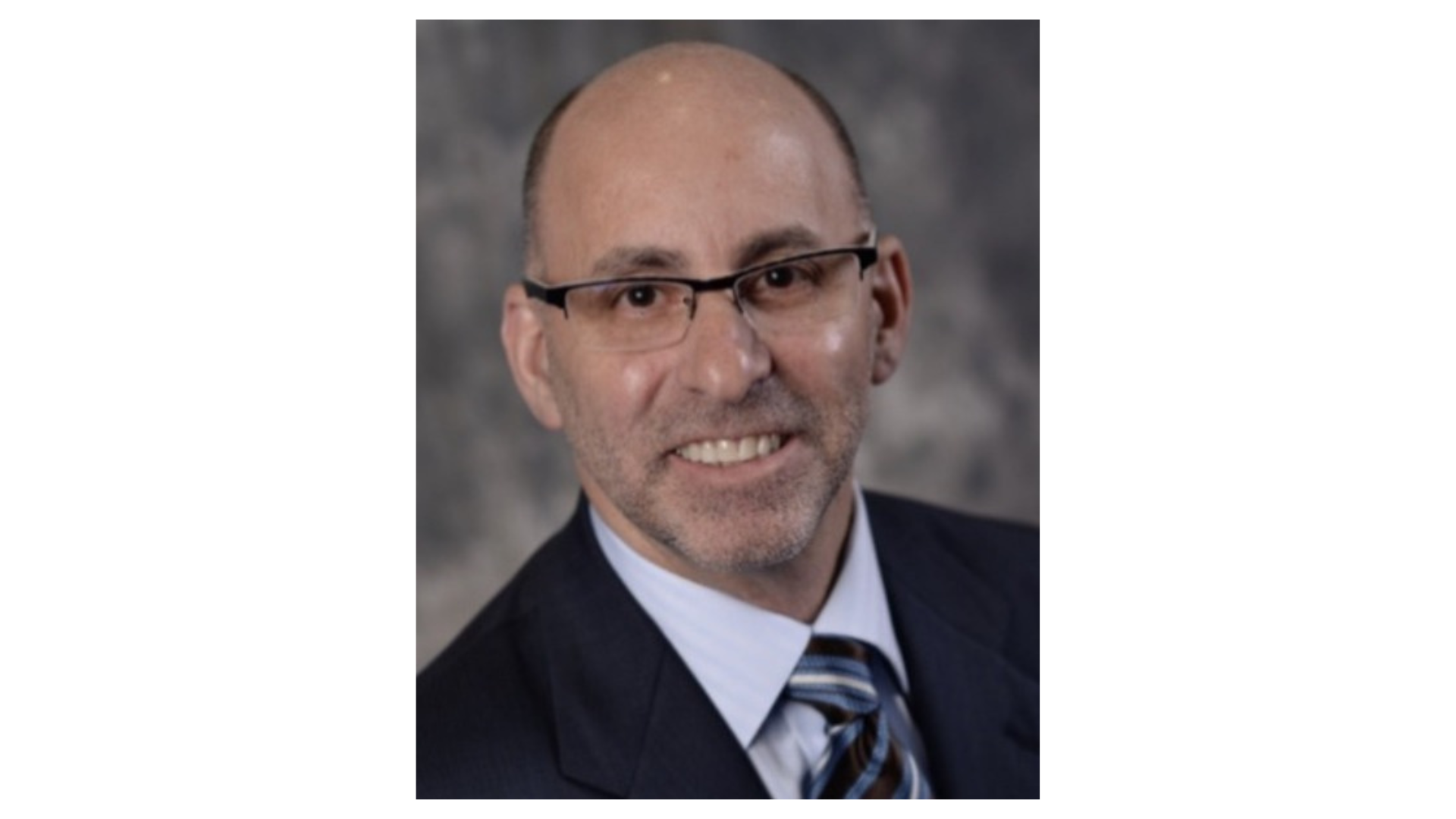
Robert J. Klein, DPM, FACFAS, CWS:
Hi, I’m Robert Klein. I am a podiatrist who practices wound care and limb preservation full-time. I am the division chair for wound care for Prisma Health. We’re located in South Carolina. And I’m also a clinical associate professor of surgery at the University of South Carolina School of Medicine in Greenville, South Carolina.
Proteases are basically enzymes that break down protein. And proteases are not necessarily bad, but when there’s a high abundance of proteases within a wound, that’s when they can become problematic. Proteases can destroy a healthy tissue. They can break down growth factors. They can break down extracellular matrix and collagen. And they can also lead to chronic inflammation. As we think about the wound healing cascade or wound healing cycle, a lot of the times the wounds that we see especially in our wound care centers are stuck in that chronic inflammatory phase of the wound healing cycle. And in many instances, because there’s a high abundance of proteases. And those proteases break down that extracellular matrix. They degrade the growth factors. They impede cell function. So that high abundance of proteases can be problematic in the wounds that we see.
Signs that there might be excess proteases within the wound can be a variety of things. You could have slough or devitalized tissue in the wound. You can have wounds that have high amounts of exudate. You have wounds that have just stalled and had not progressed on to the normal wound healing expectations that we would normally want to see within wound healing, wounds that become infected. Those are all potential signs or symptoms of wounds that might have high abundances of proteases. And then there are certain patient populations where we need to be mindful of proteases, such as our diabetic patients and our patients who have impaired blood flow with those with peripheral arterial disease or peripheral vascular disease.
Proteases and the BIOMES℠ intersect quite well. The clinician can use the BIOMES tool, and that’s how I look at it, is more of the tool to help me guide for treatment for my patients and hopefully prevent wounds from getting stuck in chronic inflammation and not healing.
Protease targeting dressings are very interesting dressings. So say you have a wound that has a lot of proteases or maybe a lot of exudate. That’s probably a wound that has a lot of proteases within the wound that can break down that extracellular matrix and can lead that wound to stay into a chronic inflammatory state. So being aware of wounds that may have a high abundance of proteases, you should consider dressings that address high levels of protease activities because they can deactivate the proteases and they can throw the proteases off of the wound bed so they don’t break down those extracellular matrix that collagen degrade the growth factors. And it just can prevent those wounds from stalling or becoming chronically inflamed.
I think implement in these strategies is really important. We want to take our wounds on to closure as quickly as possible. As we talked about in some of the previous questions, a lot of the wounds that we see are stuck in that chronic inflammatory phase of the wound healing cycle. So we know that they probably have a high abundance of proteases. We know that they’re breaking down extracellular matrix and collagen and degrading growth factors. So if we can incorporate protease-reducing dressings into our wound healing thought process, that again can serve as a tool, as a clinician, to take our wounds onto closure, to prevent wounds from stalling, and to prevent those wounds from becoming chronically inflamed.
BIOMESSM was created by Trent Brookshier, DPM, and is a service mark of HARTMANN USA, Inc, © 2024 HARTMANN USA, Inc.
The views and opinions expressed in this content are solely those of the contributor, and do not represent the views of WoundSource, HMP Global, its affiliates, or subsidiary companies.